

The Makerfield by-election was not about Northern Ireland, Operation Banner, or legacy investigations.
Yet it contains lessons for veterans and those campaigning on issues of lawfare, accountability and the Armed Forces Covenant.
The result suggests that public dissatisfaction with political institutions remains strong. It also suggests that Labour cannot assume that voters who are concerned about sovereignty, security, accountability and national identity have nowhere else to go.
For veterans, that matters.
Not because Makerfield changes government policy overnight, but because it reveals a political environment in which questions of trust are becoming increasingly important.
The central challenge facing veterans’ campaigners has never been simply legal.
Most voters have little knowledge of the technical details surrounding legacy investigations, the European Convention on Human Rights, the ICRIR, or the ongoing debate over Northern Ireland legacy legislation.
What they do understand is fairness.
They understand promises made and promises broken.
They understand loyalty.
And they understand the difference between honouring a commitment and walking away from one.
That is why recent developments may prove more significant than the by-election result itself.
The resignation of Armed Forces Minister Al Carns brought renewed attention to a question that extends far beyond Northern Ireland: what happens when those who served believe the state is failing to uphold its obligations to them?
That is not merely a veterans’ issue.
It is a question about trust between citizen and state.
It is a question of whether government commitments endure when they become politically inconvenient.
And it is a question that increasingly resonates beyond the military community.
The lesson from Makerfield is therefore not that veterans have won an argument.
Nor is it that government policy is about to change.
The current legislative process continues.
Parliament remains the decisive battleground.
The legal and political challenges facing campaigners remain substantial.
However, the result does suggest that political parties are becoming more sensitive to questions of institutional credibility.
Voters are increasingly sceptical of distant institutions, expert assurances and political promises that appear disconnected from lived experience.
For veterans, that creates an opportunity.
The strongest arguments are unlikely to be technical arguments about legal process.
They are more likely to be arguments about trust, fairness and obligation.
The Armed Forces Covenant rests on a simple principle: those who serve should not be disadvantaged because of that service.
That principle is easily understood by people who have never worn a uniform.
It speaks to a wider public concern that institutions should keep faith with those who fulfil their responsibilities.
Perhaps the most important lesson from the past year is that veterans are increasingly making that case for themselves.
Across the country, veterans have begun engaging MPs, local media, councils and communities without waiting for direction from national organisations.
What began as a campaign to raise awareness is increasingly becoming a network of independent voices.
Makerfield does not change that reality.
But it does reinforce an important truth.
Political influence still flows upward from constituencies.
Election results create opportunities.
They do not create victories.
The task remains the same: continue making the case, continue building relationships, and continue ensuring that veterans’ voices are heard.
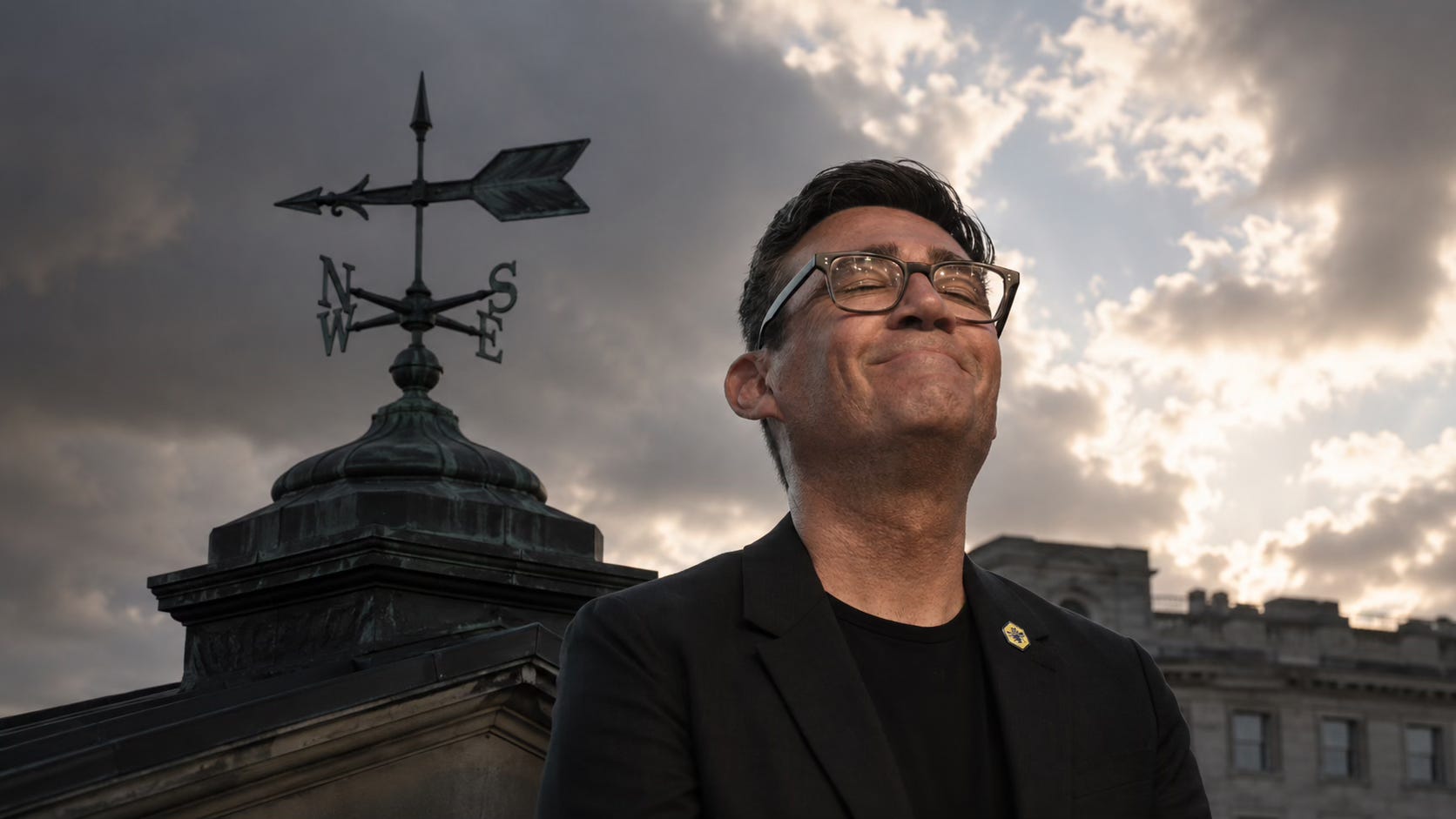
The political weather may be changing.
The need for persistence has not.
Keep punching the bruise.
FOR DEEPER ANALYSIS VISIT:

The language of deception being played out by Starmer's treacherous government has no place in politics! Yes, we veterans have a voice, but nobody is really listening! The Soldier's job is hard enough and yet, the external pressure being applied to veterans and their families decades after 'the Battle' is unwarranted and without any credible evidence of misconduct or misdemeanor! 'YOU SENT US AND WE DID THE JOB WE WERE TRAINED FOR, AND SAVED A NATION!
Agree.
Veterans must have a voice.
😎😎